


Begin With Ownership and Authority
Before you list or contract to sell an inherited property, establish two things: who owns it and who has legal authority to act. The answer may come from a will, trust, beneficiary deed, joint-tenancy arrangement, probate appointment, small-estate procedure, or another estate document.
The person entitled to the property's value is not always the person who can immediately sign the listing agreement or purchase contract. Before marketing begins, the estate attorney and title company should confirm the ownership path, authorized signer, and required documents.

How Inherited Arizona Property May Transfer
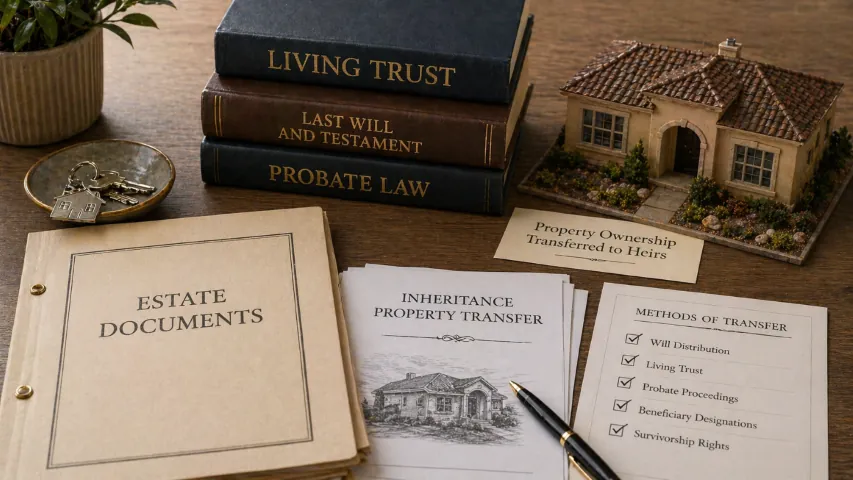
Property may pass directly to a surviving joint tenant or named beneficiary, through a trust, through formal or informal probate, or through a qualifying affidavit procedure. The correct path depends on how title was held, the estate plan, the value and nature of the assets, creditor issues, and the facts surrounding the owner's death.
Arizona provides simplified procedures for some qualifying estates, but statutory value limits, waiting periods, documentation, and title requirements apply. Because eligibility can change with the facts and current law, heirs should have an Arizona estate attorney or qualified title professional confirm the process rather than relying on a generic checklist.
Probate and the Personal Representative's Role
When probate is required, the court may appoint a personal representative to administer the estate. Once properly appointed, an Arizona personal representative generally has authority to sell estate real property unless the will or a court order restricts that power. The estate attorney should confirm the authority, any notice or procedural requirements, and whether special circumstances apply.
This is different from assuming that every Arizona probate sale requires routine court confirmation. The practical question is whether the signer has current authority and whether the proposed sale complies with the governing documents, court orders, fiduciary duties, and title requirements.
For active brokerage support involving an estate property, review TFI's Greater Phoenix Area Probate Real Estate Guidance.
Multiple Heirs and Shared Decisions
Inherited property often belongs to more than one beneficiary. The family may agree that the home should be sold, but disagree about timing, repairs, occupancy, price, personal belongings, or how much money should be invested before listing.
A productive process separates estate and legal decisions from real estate decisions. The authorized representative can document who approves pricing and offers, establish how communication will occur, obtain a market analysis, and decide whether the property should be prepared, sold as-is, transferred through a buyout, rented, or held jointly.
If title has already passed to several heirs individually, the title company and estate counsel should confirm who must sign and how disagreements affect the transaction. A broker can provide market evidence and transaction options, but cannot resolve a legal ownership dispute.
Preparing the Property for Sale
Inherited homes may contain personal property, deferred maintenance, outdated finishes, open utilities, insurance concerns, an existing occupant, or records that are difficult to locate. The right preparation plan depends on the property's likely buyer, current condition, estate liquidity, carrying costs, and the family's goals.
Some inherited homes benefit from cleaning, selective repairs, landscaping, estate-sale coordination, professional photography, or safety work. Others are better positioned as-is. Do not renovate by default. Spend only where the likely improvement in marketability, certainty, or net proceeds justifies the cost and delay.
Determining Market Value and a Sale Strategy
A broker-prepared comparative market analysis can evaluate recent sales, current competition, property condition, location, lot, improvements, and buyer demand. An appraisal may be appropriate or required for estate administration, tax, litigation, lending, or other formal purposes. The estate's attorney, CPA, appraiser, or fiduciary should determine what valuation product is needed.
For a current brokerage pricing review, heirs may request a Home Value and CMA Consultation. The market value used for a sale strategy is related to—but not necessarily the same as—the tax basis or a date-of-death appraisal.
Title, Occupancy, Liens, and Property Records
Title review may uncover an unreleased loan, tax or HOA lien, deceased co-owner, outdated trust, missing legal description, prior divorce issue, judgment, or other cloud. Occupancy can also affect timing when a tenant, relative, surviving spouse, or other person remains in the home.
These issues should be surfaced early. A title company can identify recorded requirements, the estate attorney can address authority and legal rights, and the broker can adjust the marketing and closing plan around realistic cure timelines.
Related education includes Title Defects and Spousal Consent and Unauthorized Transfers.
Tax Considerations and Basis
Inherited property commonly receives a federal income-tax basis tied to fair market value at the date of death or an alternate valuation date when properly elected. The eventual taxable gain may therefore differ substantially from the decedent's original purchase price. Improvements, selling expenses, depreciation, rental history, state residency, and the estate structure may also matter.
These are tax determinations, not brokerage calculations. The estate's CPA, tax attorney, or other qualified tax professional should establish basis, filing requirements, and the tax consequences of a sale before proceeds are distributed.
Comparing Sale Options
The authorized decision-maker may choose a traditional market listing, an as-is listing, limited preparation before listing, or a direct cash-offer path. The comparison should go beyond the headline price to include repair and cleanout costs, commissions and fees, carrying time, buyer contingencies, financing risk, inspection exposure, closing certainty, and likely net proceeds.
TFI's Residential Seller Representation page explains the broader listing process. Owners who prioritize speed or minimal preparation can also review the Cash-Offer Request and Comparison page.
Common Challenges in Inherited Sales
The most difficult inherited-property transactions usually involve more than the house itself. Delays may come from uncertain authority, missing documents, multiple heirs, personal-property disputes, occupants, liens, deferred maintenance, unrealistic pricing, or disagreement about whether to invest in preparation.
A structured process helps. Confirm authority first, gather property and estate documents, obtain pricing and condition information, establish decision rules, select the sale path, and then coordinate title, escrow, inspections, appraisal, and closing with the appropriate professionals.

Frequently Asked Questions
Can heirs sell an inherited property immediately?
Sometimes ownership passes directly and the sale can proceed after title requirements are satisfied. In other situations, a trust administration, probate appointment, affidavit procedure, or other estate step must occur first. The estate attorney and title company should confirm authority before the property is marketed.
Do all heirs have to agree to sell?
That depends on who holds title and who has legal authority to act. A personal representative or trustee may have defined powers, while property already distributed to multiple owners may require the participation of each owner. Legal counsel should resolve authority and fiduciary questions.
What happens if heirs disagree about whether to sell?
The available options depend on who holds title and who has authority to act. The family may consider a buyout, continued joint ownership, rental, or sale, but a broker cannot resolve a disputed ownership right. Estate or real estate counsel should advise the parties when agreement cannot be reached.
Does every Arizona probate home sale require court confirmation?
No. A duly appointed personal representative generally has authority to sell estate real property unless the will or a court order limits that authority. The estate attorney should confirm the specific procedure and any exceptions.
Should an inherited home be repaired before it is listed?
Not automatically. The right answer depends on condition, estate resources, carrying costs, buyer demand, and whether the expected improvement in price or certainty justifies the work.
Is an appraisal required before selling inherited property?
A formal appraisal may be needed for estate, tax, court, lending, or fiduciary reasons, but it is not universally required simply to list the home. The estate's attorney or tax professional should determine the formal valuation requirement; a broker can provide market and pricing analysis for the sale.
Advisory Note
This guide provides general real estate education, not legal, tax, accounting, appraisal, or estate-administration advice. Heirs, trustees, and personal representatives should consult the estate's qualified professionals regarding authority, fiduciary duties, tax basis, creditor issues, and required filings.