


Start With the Official County Recorder Alert
Arizona property owners can enroll in a voluntary county-recorder alert system that provides notice when a recorded instrument names the participating person or entity. The exact program and enrollment method vary by county.
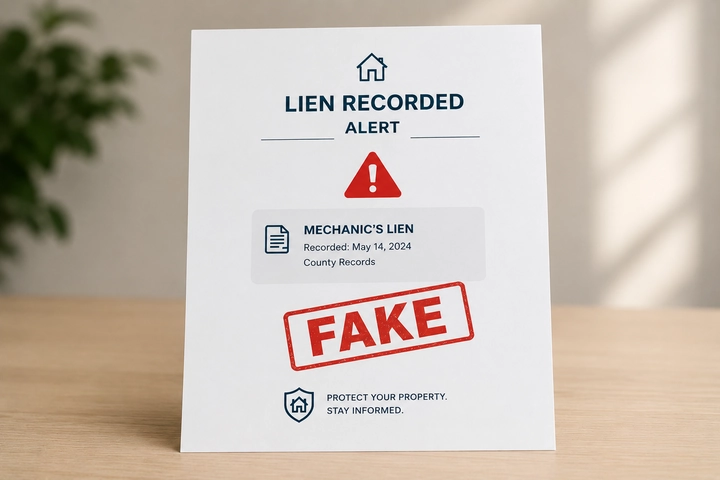
Maricopa County's free Maricopa Title Alert monitors individual and business names entered by the subscriber and sends a notice when a document containing a registered name is recorded with the county. Owners in Pima and other counties should use the applicable recorder's program and verify its current features directly with that county.
Enroll Every Name That May Appear in the Record
The system can only monitor the names you enter. Depending on how the property is held, you may need to register a full legal name, common variations, prior names, a spouse's name, trust name, LLC, corporation, partnership, DBA, or another title-holding entity.
Owners with property in more than one county should enroll in each county's system. A Maricopa County alert does not monitor recordings in Pinal, Yavapai, Pima, or another county.
What an Alert May Capture
A system may notify the subscriber of a deed, quitclaim deed, deed of trust, lien, release, affidavit, assignment, or other document containing the registered name. A legitimate alert may be connected to a purchase, sale, refinance, paid-off loan, HOA matter, estate plan, trust transfer, lien release, or other expected event.
The alert is a prompt to review—not proof that fraud has occurred.
What Title Monitoring Cannot Do
Title alerts generally operate after a document has been recorded. They do not block the filing, verify signatures, confirm notarization, determine whether the signer had authority, or decide whether the document is legally valid. Name-based systems may also miss a document that does not contain the exact registered name or may generate notices for another person with a similar name.
That limitation is important when evaluating paid services marketed as “title lock” or complete theft prevention. A monitoring product may add convenience or broader record coverage, but owners should understand exactly what records are searched, how often, what triggers an alert, and what assistance is provided after a notice.
Title Insurance and Title Monitoring Serve Different Purposes
Title insurance may protect an owner or lender against specified covered title defects, subject to the policy's terms and exceptions. Monitoring provides notice of later public-record activity. Neither replaces careful identity verification, property oversight, secure transaction procedures, or legal advice.
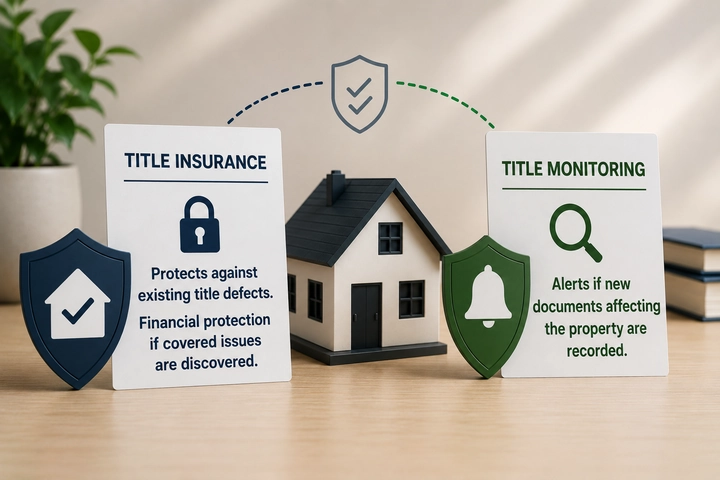
Owners with a specific policy question should contact the title insurer. Owners with an unfamiliar recording should obtain legal advice promptly rather than assuming the monitoring provider will cure the title.
Who May Benefit Most
Any owner can use a free county alert, but it is especially practical for people who own vacant land, seasonal or second homes, rentals, inherited property, free-and-clear property, long-held assets, or property titled in a trust or entity. Out-of-state and foreign owners may have fewer opportunities to notice physical signs of unauthorized activity.
The service is also useful during a listing or refinance because it can alert the owner to an unexpected filing while the transaction is active.
What to Do When an Alert Arrives
First, use the county's official records system to obtain or inspect the document and compare the names, legal description, recording date, notary, lender, lienholder, and transaction context. Confirm whether it relates to a legitimate event already in progress.
If the document is unfamiliar or appears false, contact the county recorder, title company or title insurer, lender, brokerage, and an Arizona real estate attorney as appropriate. Preserve the alert and document, and consider contacting law enforcement or identity-theft authorities when forgery or impersonation is suspected.
Do not ignore the notice, but do not assume every unexpected document is fraudulent. What matters is a prompt review through verified sources and the appropriate professionals.
If Fraud Has Clouded the Title
A fraudulent deed or groundless claim may require corrective documents, a demand, title-insurance claim, court order, quiet-title action, or another legal remedy. The county recorder generally cannot simply decide that a facially recordable document was fraudulent and erase it on request.

TFI's Deed Fraud and Fake Seller Guide explains the impersonation risk, while the Title Defects Guide addresses the broader cure process. TFI can help manage the real estate transaction implications; qualified Arizona counsel handles legal restoration of ownership.
Practical Ownership Protection Beyond Alerts
Keep assessor, recorder, HOA, lender, insurer, property manager, and tax mailing information current. Inspect or professionally manage vacant and seasonal property. Protect personal information, use secure transaction procedures, review tax and mortgage notices, and work with professionals who verify identity and authority before a listing, loan, or transfer.
No alert or subscription eliminates property fraud. Stronger protection comes from combining accurate contact records, property oversight, identity verification, secure transaction procedures, and a rapid response when recorded activity does not match your expectations.
Frequently Asked Questions
Is Maricopa Title Alert free?
Yes. Maricopa County offers its title-alert program without charge. Owners should enroll through the official Maricopa County Recorder website rather than an advertisement for a private service.
Does a county title alert prevent deed fraud?
No. It provides notice after a document containing a registered name is recorded. It does not stop or validate the filing.
Should I register the property address or my name?
Systems differ, but Maricopa Title Alert is name-based. Register the exact individual and entity names that may appear in the records, including relevant variations, and follow the county's current instructions.
Do I need to enroll separately for each county?
Yes. County systems generally monitor only that county's records. Owners with property in several counties should enroll in each applicable program.
Is a paid title-monitoring service necessary?
Not necessarily. Begin with the free official county system, then evaluate whether a private service offers meaningful additional coverage or support. Read its limitations carefully.
Advisory Note
This guide provides general real estate education, not legal, title-insurance, identity-theft, or cybersecurity advice. Anyone who discovers an unfamiliar or potentially fraudulent recording should obtain the document and promptly contact the appropriate county, title, legal, financial, and law-enforcement professionals.