
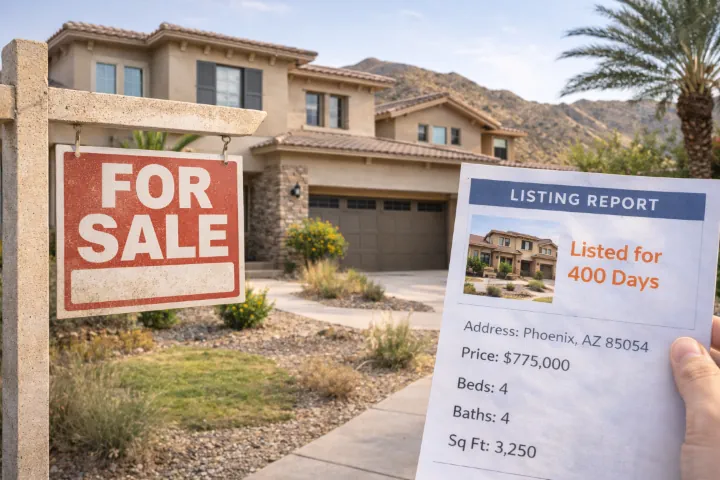

Your Home Did Not Sell—That Does Not Mean It Cannot Sell
An expired, canceled, or withdrawn listing shows that the prior market strategy did not produce an acceptable sale within the available time. It does not prove the property is unsellable.
TFI Real Estate Advisors reviews the prior listing as a complete system: the property, the market, your objectives, and the way buyers actually responded. The answer is not automatically to lower the price and repeat the same launch.
If the property is still subject to an active listing agreement, the owner should work through the current broker and review the agreement before engaging another brokerage. TFI’s relaunch work is intended for owners who are free to consider a new representation strategy or who are planning for the next listing cycle.
What TFI Reviews Before Recommending a Relaunch
A productive expired-listing review may include:
- The original list price, price changes, and timing of each adjustment
- Recent comparable sales and the current competing inventory
- Days on market, showing activity, saves, inquiries, offers, and buyer-agent feedback
- Photography, listing copy, visual sequencing, staging, and property presentation
- Showing availability and access friction
- Property condition, deferred maintenance, and buyer objections
- Marketing reach and whether the property was positioned for the correct buyer segment
- Financing, appraisal, HOA, solar, insurance, or title issues that may have reduced demand
- The seller’s actual timing, proceeds, and certainty objectives
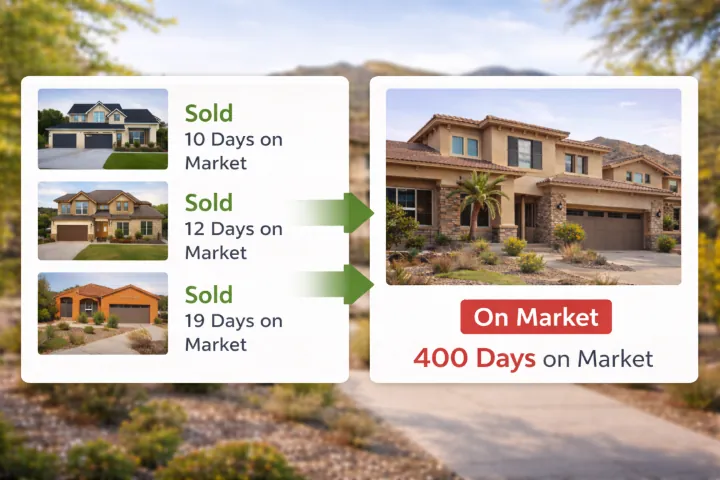
Why Homes Fail to Sell
Most unsuccessful listings involve more than one variable. Price may have been out of step with current buyer expectations, but positioning, presentation, access, condition, marketing, financing, appraisal, or changing market conditions may also have contributed.
A listing can receive broad exposure and still fail to attract the correct buyer. The useful question is not how many people saw it; it is what their response revealed about value, risk, and fit.
Pricing and Positioning Must Work Together
Price is one of the strongest signals a listing sends, but it is not the only one. Buyers also compare condition, location, floor plan, upgrades, lot characteristics, HOA obligations, presentation, and perceived risk.
A fresh strategy should review recent sales, current and pending competition, failed listings, buyer search thresholds, likely improvement costs, and your timing and tolerance for uncertainty. A price reduction by itself may not improve the outcome when presentation, access, or buyer targeting remains unchanged.
Presentation, Photography, and Showing Access
Most buyers encounter a home online before deciding whether to tour it. The first photographs, headline, property description, floor-plan clarity, and showing availability all influence whether the listing earns attention.
A relaunch may require new photography, selective staging or repairs, clearer explanation of the property’s strengths, more convenient showing access, or a better plan for an occupied or difficult-to-show home.
The property does not need to look newly renovated. It needs to be presented honestly and competitively to the buyers most likely to value it.
Market Exposure Must Convert Into Buyer Fit
Online views, saves, showings, and agent interest are useful, but they are not the final objective. Exposure only matters when the listing reaches buyers whose needs, financing, timing, and value expectations fit the property.
TFI evaluates whether the prior campaign reached the correct audience and whether the listing narrative matched how those buyers compare homes. In some cases, the property received adequate exposure but was framed against the wrong alternatives. In others, the campaign did not create enough qualified attention to generate credible offers.
Buyer Feedback and Listing History Are Valuable Data
Use the prior listing’s evidence rather than discarding it. Repeated feedback about price, condition, layout, location, insurance, solar, HOA costs, or repairs can help distinguish a correctable objection from a permanent property characteristic.
Buyers and their agents may also see prior listing history. A new launch should therefore communicate a credible reason for the reset through improved presentation, updated pricing, repaired items, changed terms, or a clearly different marketing strategy.
Re-Underwriting the Property Before It Returns to Market
Before relisting, analyze the property as though it were entering today’s market for the first time.
That means updating the CMA, reviewing new listings and recent outcomes, reassessing concessions and financing sensitivity, comparing preparation costs with their likely effect on price, and testing net proceeds under different pricing and timing scenarios. The review may also show that renting, holding, or pursuing a direct sale deserves consideration.
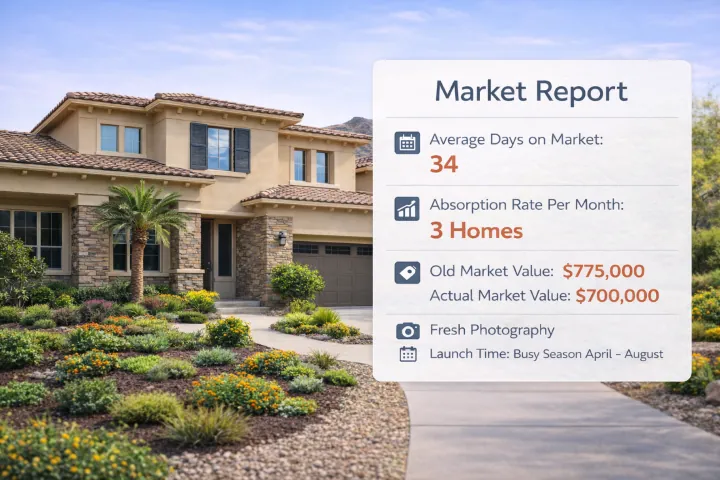
Relaunch Strategy: What Changes Before Going Back to Market
A successful relaunch is a deliberate new campaign, not a duplicate listing with a refreshed date. Depending on the property and prior response, the revised plan may change:
- Pricing and buyer-search positioning
- Photography, staging, repairs, and visual presentation
- Listing copy and feature prioritization
- Marketing channels and agent outreach
- Showing access and communication standards
- Offer-review criteria and buyer qualification
- Launch date and timing
- Seller concessions, possession, or other terms

Relaunch Now—or Wait for a Better Window
Not every expired listing should return immediately. A short delay may be productive when the home needs work, you need time to prepare, or the current competitive environment is unusually crowded.
An immediate relaunch may be appropriate when the owner still needs to sell, the corrected strategy is clear, and delaying would increase carrying costs or expose the property to further market movement.
The decision should account for inventory, seasonality, mortgage-rate sensitivity, buyer activity at the property’s price point, required preparation, and your broader plans.
Alternative Paths: Relist, Rent, Hold, or Request a Cash Offer
A failed listing creates a reason to compare the available paths: relaunch with a corrected full-market strategy, complete selective work before returning to market, rent or hold for a defined period, evaluate a direct cash offer, or reconsider the timing and financial objective of the sale.
TFI compares those alternatives in relation to likely proceeds, carrying costs, preparation, risk, and timing. Sellers can also review the broader Greater Phoenix Area Seller-Representation Process, request an updated Broker-Led Home-Value Review, or explore the Cash-Offer Request Option.
Existing Listing Agreements and Protection Periods
Before signing a new listing agreement or accepting a direct offer, the owner should confirm that the prior agreement has expired or been properly terminated and review any protection, extension, or commission provisions that may continue after the listing ends.
The former broker, a qualified real estate attorney, or another appropriate professional can explain the specific contract. TFI can then structure the new real estate strategy around the owner’s confirmed ability to proceed.
Greater Phoenix Area Expired-Listing Representation
TFI serves homeowners throughout the Greater Phoenix Area, including Phoenix, Scottsdale, Tempe, Mesa, Chandler, Gilbert, Glendale, Peoria, Surprise, Goodyear, Buckeye, Queen Creek, and surrounding communities.
The analysis is property-specific. A home in a high-inventory West Valley subdivision may require a different relaunch strategy than a custom home in Scottsdale, a condominium in Tempe, or an older property in Central Phoenix.
What Happens in an Expired-Listing Consultation
A consultation begins with your goals and the prior listing record. TFI may review the property, former listing, comparable sales, current competition, market feedback, condition, presentation, and timing before recommending whether to relaunch, prepare, wait, rent, or compare another sale path.
The result should be a practical action plan—not a promise that changing agents alone will solve the problem.
Frequently Asked Questions
What is an expired real estate listing?
A listing generally becomes expired when the listing agreement reaches its stated end date without the property being sold or placed under a contract that continues beyond that date. The owner should confirm the status and any continuing contract provisions before taking the next step.
Can I hire a different agent after my listing expires?
Often, yes, once the prior agreement has ended and any applicable obligations are understood. The owner should review the former contract before signing a new listing agreement or accepting an offer from a buyer connected to the earlier marketing period.
Will buyers see that my home was previously listed?
Buyers and real estate professionals may be able to see prior listing history. That is why a relaunch should demonstrate a meaningful change in pricing, presentation, condition, terms, or marketing rather than merely resetting the listing date.
Should I reduce the price immediately?
Not automatically. The updated market data, competing inventory, condition, buyer feedback, and seller timeline should be reviewed together. A price change is most effective when it is part of a broader repositioning strategy.
Can TFI help if the listing was withdrawn or canceled rather than expired?
Yes, after the owner confirms the status of the current agreement and the ability to engage another brokerage. The same diagnostic review can be useful for an expired, withdrawn, canceled, or repeatedly unsuccessful listing.
Which Greater Phoenix Area communities does TFI serve?
TFI’s residential seller practice is centered on the Greater Phoenix Area, including the communities identified in the service-area section above and surrounding Arizona markets when the property and engagement support responsible representation.