

Arizona Wholesale Real Estate Transaction Guidance
TFI Real Estate Advisors works with experienced residential investors evaluating wholesale contracts, assigned interests, as-is properties, fixers, and discounted opportunities across Arizona. We also help owners compare an investor-oriented sale with a broader-market listing, a direct cash offer, additional property preparation, or continued ownership.
The work begins with a specific property, contract, or sale decision rather than a standing wholesale inventory feed. Assignments may involve Phoenix, Scottsdale, Tempe, Mesa, Chandler, Gilbert, Glendale, Peoria, Goodyear, Surprise, Buckeye, Queen Creek, and surrounding Arizona communities. The strategy depends on the property, condition, ownership objective, buyer profile, contract rights, timeline, and transaction structure—not simply the label attached to the opportunity.
What TFI Provides in a Wholesale Transaction Assignment
TFI helps the parties evaluate the real estate and transaction economics with greater clarity. Depending on the assignment, that may include:
- Reviewing current property value in its existing condition
- Comparing likely retail value, as-is value, and investor-oriented pricing
- Evaluating repair scope, after-repair-value assumptions, holding costs, and resale or rental strategy
- Reviewing buyer qualifications, proof of funds, financing source, earnest money, inspection rights, and closing capacity
- Identifying assignment, double-closing, or direct-purchase structure for attorney and title review
- Comparing a wholesale path with a traditional listing, direct cash sale, or property preparation strategy
- Coordinating with title, escrow, inspectors, contractors, lenders, attorneys, accountants, and other qualified professionals as appropriate
TFI evaluates whether wholesale, a direct investor sale, an as-is listing, or broader market exposure best fits the property and your actual goals.
What “Wholesale” Means in Arizona Residential Real Estate
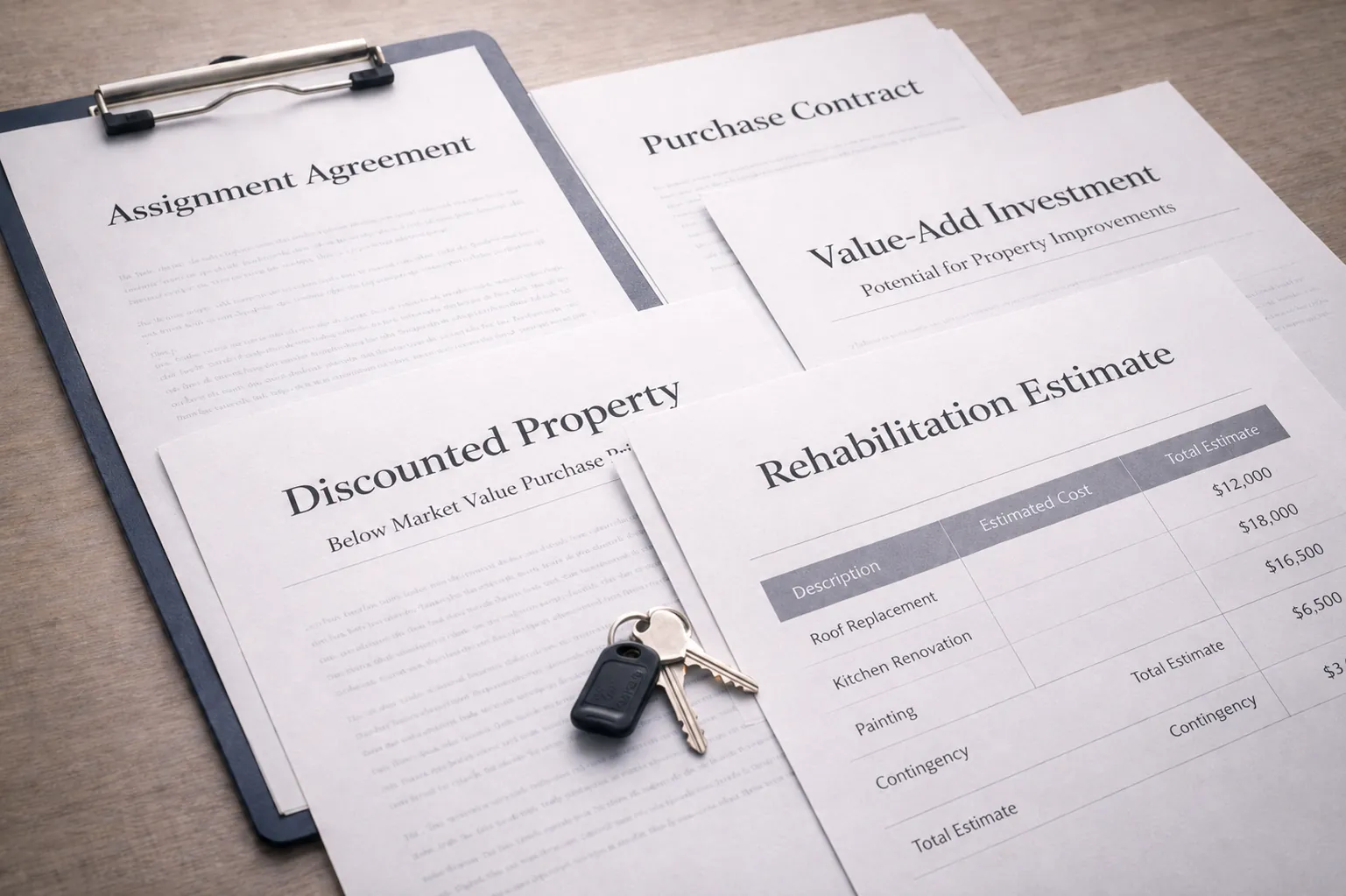
In a common wholesale transaction, a buyer enters into a purchase contract and later assigns the buyer’s contractual interest to another buyer. The wholesaler may earn an assignment fee or use a separate closing structure. The wholesaler is generally transferring contractual rights or an equitable interest rather than marketing a property the wholesaler already owns.
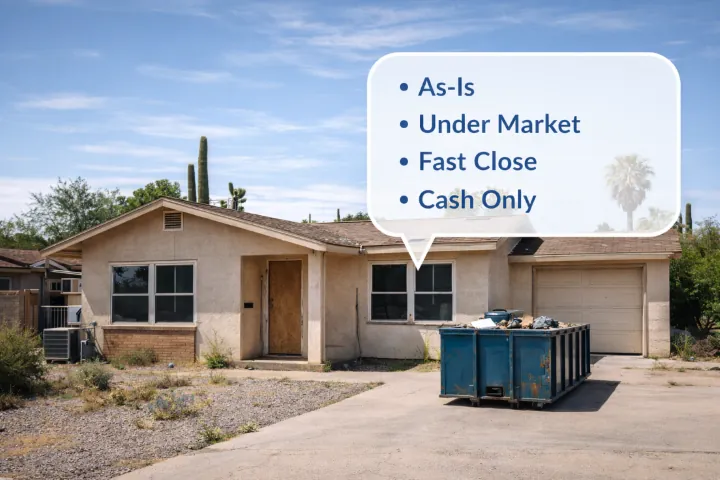
A discounted property is broader. It may be sold directly by the legal owner, purchased and resold by an investor, marketed as-is through a licensed brokerage, or offered through another structure. Not every discounted, off-market, fixer, or cash transaction is a wholesale assignment.
That distinction matters. Ownership, agency, disclosure, performance, title, and closing obligations can differ materially among those structures.
Arizona Wholesale Disclosure Requirements
Arizona Revised Statutes § 44-5101 defines wholesale buyers and wholesale sellers for residential property with fewer than five dwelling units. Before the parties enter into a binding agreement, a wholesale buyer must disclose in writing to the property seller that the buyer is a wholesale buyer. A wholesale seller must disclose in writing to the end buyer that the wholesale seller holds an equitable interest rather than legal title and may not be able to convey title.
The contract, assignment rights, brokerage involvement, title requirements, and legal consequences should be reviewed for the specific transaction. TFI provides real estate brokerage and advisory support and coordinates with qualified Arizona legal counsel when legal interpretation or document drafting is required.
Who Wholesale Transactions and Discounted Properties May Fit
Wholesale and heavily discounted properties are generally best suited to experienced buyers who can evaluate uncertainty, capital requirements, and value-add execution.
The typical buyer is a fix-and-flip investor, long-term rental investor, builder, renovator, or other purchaser with dependable financing, contractor access, property-management resources, and enough liquidity to handle repairs and delays. These transactions are usually a poor fit for first-time owner-occupants, buyers dependent on conventional financing, or anyone without a realistic contingency reserve.
How Investors Should Evaluate a Wholesale Opportunity
Evaluate wholesale pricing through the full project economics, not through a claimed discount alone.
Important considerations include:
- Current condition and immediately required work
- Realistic repair and renovation costs
- After-repair value supported by relevant comparable sales
- Rent potential and operating costs for a hold strategy
- Financing, acquisition, assignment, title, and closing costs
- Insurance, utilities, taxes, HOA obligations, and carrying costs
- Construction timeline and market-change exposure
- Resale commissions, concessions, warranties, and closing expenses
- Required contingency and investor return
A property can sit below an estimated retail value and still be a poor investment when the repair scope, financing cost, timing, title risk, or resale assumptions are wrong.
Wholesale Pricing and Investor Margin
Wholesale pricing reflects risk-adjusted value. The end buyer generally needs room for repairs, holding costs, financing, resale expenses, uncertainty, and an appropriate return. The wholesaler may also be compensated through an assignment fee or transaction spread.
For an owner, the meaningful comparison is not the wholesale contract price against an idealized retail number. Compare the likely net from an open-market sale—after preparation, carrying costs, commissions, concessions, and time—with the certainty and convenience of the investor path.
Guidance for Owners Considering a Wholesale or Investor Sale
If a wholesaler or investor approaches you, understand who is entering the contract, whether that party intends to close, whether assignment is permitted, and what happens if an end buyer is not secured.
TFI helps compare the property’s current market position, the economics of repairs or preparation, the likely buyer pool for an as-is listing, and the terms of a direct investor or cash offer. Proof of funds, earnest money, inspection and access rights, assignment and cancellation provisions, title readiness, closing timing, and expected net proceeds all deserve review.
Owners who want to compare a wholesale approach with broader exposure can also review Greater Phoenix Area Home Seller Representation, request a Broker-Led Home Value Review, or submit a Cash-Offer Request.
Wholesale vs. Traditional Listing
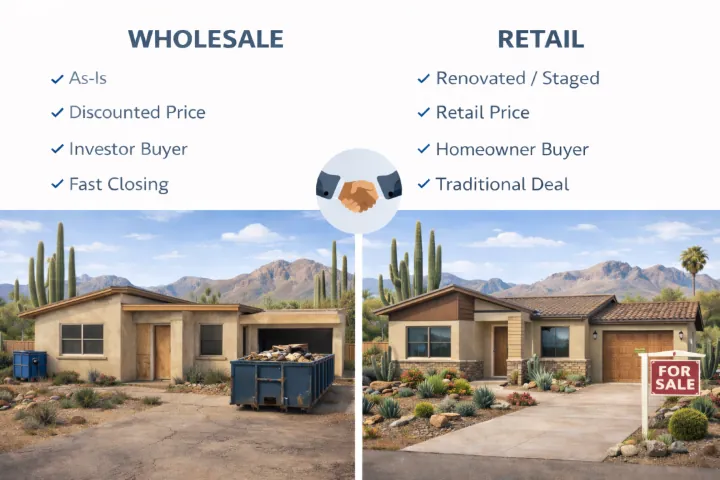
A traditional residential listing generally emphasizes broad market exposure, property presentation, buyer competition, conventional financing, and retail pricing. A wholesale path typically emphasizes speed, limited preparation, investor economics, and a narrower buyer pool.
Neither structure is automatically better. The appropriate choice depends on condition, timeline, carrying costs, your priorities, available equity, buyer demand, and the probability of execution.
Wholesale vs. Off-Market vs. Cash Offers
These terms describe different parts of a transaction.
A wholesale deal commonly involves the transfer or assignment of contractual rights to an end buyer. “Off-market” describes limited or controlled exposure rather than a specific contract structure. A cash offer describes the buyer’s funding method and may come from a direct investor, wholesaler, iBuyer, or traditional purchaser. An as-is sale generally means the seller does not plan to complete repairs, although disclosures, inspections, contract rights, and other obligations still apply.
Understanding those distinctions lets buyers and sellers compare the actual structure rather than rely on marketing labels.
Due Diligence, Transparency, and Transaction Structure
Wholesale transactions can move quickly. Speed should not replace disciplined review.
Important diligence may include:
- Property access and inspection rights
- Seller disclosures and known defects
- Title, liens, ownership, and authority to sell
- Assignment rights and restrictions
- Buyer and assignee performance obligations
- Earnest money and cancellation provisions
- Repair estimates and contractor availability
- Utilities, permits, zoning, HOA, and occupancy matters
- Funding, closing, and resale timelines
Clear disclosure of the parties’ roles and the transaction structure protects decision quality. When the structure is unclear, pause and obtain qualified legal and title guidance before proceeding.
Common Wholesale Pitfalls to Avoid
Wholesale transactions most often fail when assumptions are aggressive or the parties are not aligned.
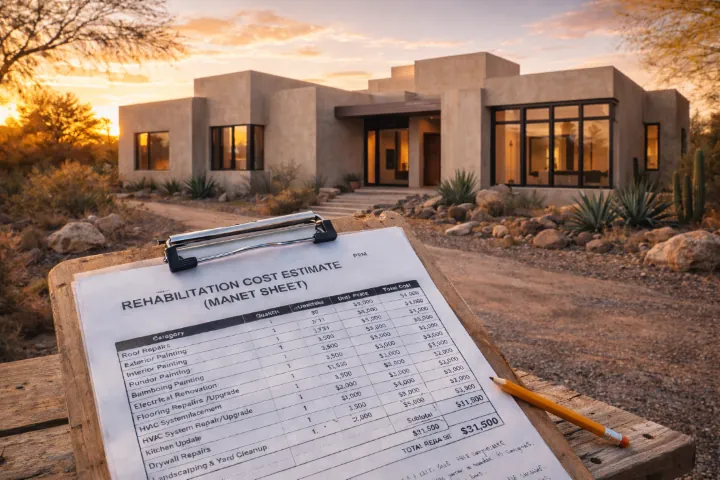
Frequent problems include an overstated after-repair value, underestimated construction costs, weak proof of funds, unclear assignment or cancellation rights, incomplete title review, limited inspection access, and failure to account for holding and resale expenses.
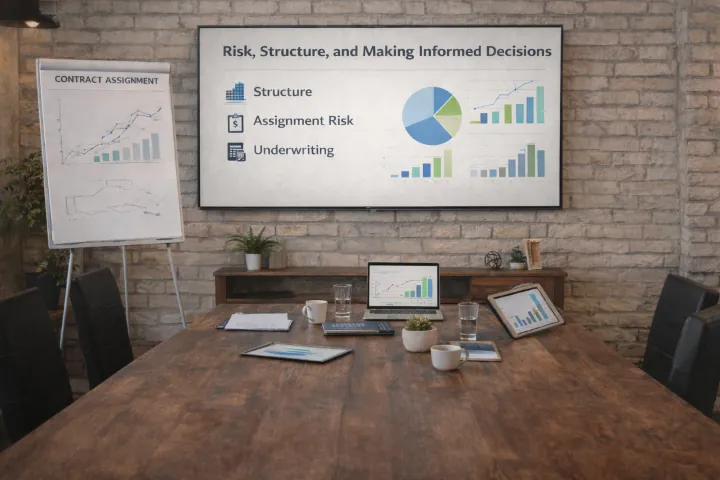
A claimed discount is not underwriting. The buyer still needs a realistic project plan, and the seller still needs to understand the contract and the alternatives.
When Wholesale Can Be an Effective Strategy
A wholesale or discounted transaction can work when the property requires substantial repairs or specialized execution, the owner values speed or simplicity, and the buyer has a defined renovation, rental, or resale plan with sufficient capital.
The structure should be clear, the economics should support the buyer’s return requirement, and the parties should understand title, access, disclosures, assignment rights, and closing expectations. Wholesale works best when it solves a real property or ownership problem—not when the label merely suggests a bargain.
Frequently Asked Questions About Arizona Wholesale Transactions
Does TFI maintain a public list of wholesale houses?
TFI’s wholesale work is assignment-based. We may assist with specific wholesale, as-is, investor, or discounted property opportunities and can discuss acquisition criteria with qualified buyers when a suitable client assignment exists.
Can an owner list an as-is property instead of selling to a wholesaler?
Yes. An as-is property can often be marketed through a traditional brokerage process, depending on condition, title, access, financing eligibility, and seller objectives. Broader exposure may improve price discovery, while a direct investor or wholesale path may provide greater speed or simplicity.
Is a wholesale price the same as market value?
No. A wholesale price typically reflects condition, repair cost, investor return, risk, timing, and transaction structure. Market value depends on the relevant buyer pool and the property’s actual condition and exposure.
Are wholesale transactions always cash transactions?
Many end buyers use cash or hard-money financing because of property condition and compressed timelines, but funding structures vary. Proof of funds and closing capacity should be verified.
Is wholesaling legal in Arizona?
Arizona law recognizes wholesale buyers and wholesale sellers and imposes written disclosure requirements. The specific contract, assignment, licensing, advertising, title, and legal issues should be reviewed for the transaction by qualified professionals.
Can TFI help compare a wholesale offer with a traditional listing?
Yes. TFI can help evaluate current condition, likely buyer demand, preparation costs, timing, transaction risk, and estimated net proceeds so an owner can compare the available paths more intelligently.
A Final Perspective on Wholesale Transactions
Wholesale real estate is a distinct transaction strategy—not a shortcut to retail outcomes or a guarantee of an exceptional investment. Its value depends on accurate pricing, conservative underwriting, capable buyers, transparent structure, and disciplined execution.
TFI helps you evaluate those variables before committing to a wholesale, discounted, cash, or broader-market transaction.