
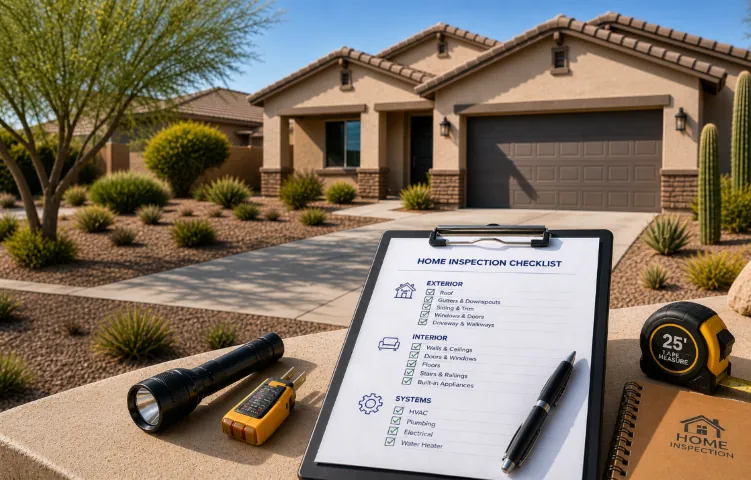

What a Home Inspection Is—and Is Not
A general home inspection gives you a professional, primarily visual evaluation of the accessible structure and major systems. The report documents conditions observed on the inspection date and identifies items that may justify repair, monitoring, maintenance, or a specialist's evaluation.
An inspection is not:
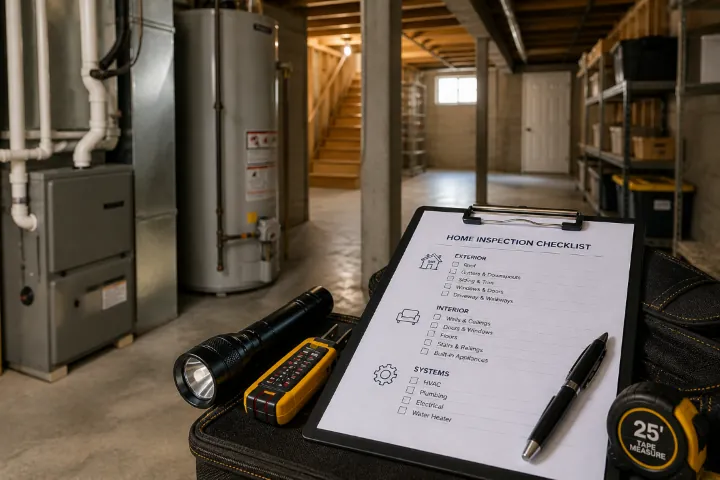
- A guarantee that every defect will be found
- A warranty against future failure
- A code-compliance certification
- An appraisal of market value
- A substitute for engineering, environmental, roofing, pest, sewer, pool, or other specialist work
- A simple declaration that a home passes or fails
The inspection matters because it gives you information while the contract still provides a defined period for investigation and decision-making.
Arizona Home Inspector Standards
Arizona regulates home inspectors through the State Board of Technical Registration. Buyers can review the Board’s home-inspection information, standards, and registrant records before hiring an inspector.
The Board’s standards define the scope of a standard inspection and the limitations of a visual, noninvasive evaluation. Certification does not mean every inspector has the same experience with every property type. Buyers should also consider the inspector’s reporting quality, communication, availability, insurance, relevant specialty knowledge, and familiarity with the home’s age and systems.
A real estate broker can help locate qualified inspectors and coordinate the transaction, but the broker is not a substitute for the inspector or a specialist evaluating a technical defect.
What a General Inspection Commonly Reviews
The exact scope is controlled by the inspector’s agreement and applicable standards. A general inspection commonly addresses visible and accessible portions of:
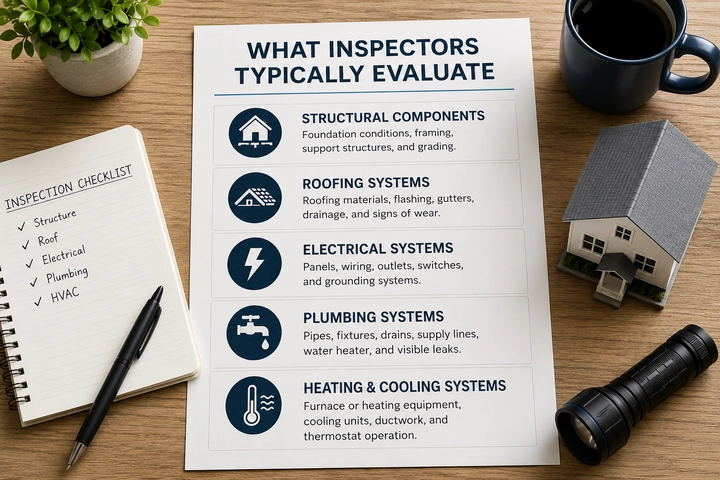
Structure, Foundation, and Site Conditions
The inspector may observe foundation and framing indicators, walls, ceilings, floors, drainage, grading, and other visible conditions. Signs of movement or water intrusion may require an engineer, drainage professional, roofer, or another specialist.
Roof and Exterior
Roof coverings, flashing, penetrations, exterior surfaces, doors, windows, drainage, and visible deterioration are commonly reviewed. Roof access can be limited by height, material, weather, safety, or inspector policy.
Electrical System
The inspection commonly includes service equipment, panels, representative outlets and switches, grounding or bonding observations, and visible wiring conditions. Technical concerns may require a licensed electrician.
Plumbing and Water-Heating Systems
Visible supply and drain components, fixtures, water heating, leaks, drainage, and functional flow are commonly evaluated. A general inspection usually does not provide the same information as a sewer-scope inspection or invasive leak investigation.
Heating and Cooling
The inspector generally operates accessible heating and cooling equipment under normal controls and observes visible components. In the Greater Phoenix Area, HVAC age, performance, maintenance history, and replacement planning can materially affect ownership cost.
Interior, Attic, Insulation, and Ventilation
Accessible interior components, attic areas, insulation, ventilation, stairs, fireplaces, appliances within scope, and signs of moisture or damage may be reviewed. Furnishings, stored items, locked areas, and inaccessible spaces can limit the inspection.
Arizona and Greater Phoenix Due Diligence
A general inspection is one part of a larger investigation. Depending on the property, location, age, construction, and initial findings, buyers may consider additional review of:
- Termites or other wood-destroying organisms
- Sewer or private wastewater lines
- Roof condition
- Pool, spa, and related equipment
- Structural movement, expansive soils, subsidence, or earth fissures
- Drainage, washes, floodplains, and prior water intrusion
- Solar equipment, leases, loans, or power-purchase agreements
- Septic systems, wells, water quality, or hauled-water arrangements
- Additions, conversions, permits, and workmanship
- Mold, asbestos, lead-based paint, radon, or other environmental issues where relevant
- Fire protection, access, utilities, or rural-property infrastructure
This list is not a recommendation that every buyer order every inspection. It illustrates why due diligence should be property-specific rather than limited to a standard checklist.
The Arizona REALTORS® and Arizona Department of Real Estate Buyer Advisory identifies many property and surrounding-area matters buyers may need to investigate. The advisory expressly supplements—not replaces—professional inspections.
Attend the Inspection and Read the Agreement
When practical, attending at least the inspector’s summary can help the buyer understand system locations, maintenance concerns, and the relative importance of findings. Buyers should avoid distracting the inspector or treating informal comments as a substitute for the final written report.
Before the inspection, review:
- The inspector’s scope and exclusions
- Fees and cancellation terms
- Whether roof, pool, irrigation, appliances, detached structures, or other components are included
- Limitations on liability or reinspection
- Expected report timing
- Whether the inspector recommends specialist follow-up
Read the complete report. The summary can be useful, but material context often appears in the detailed observations and photographs.
Triage the Inspection Report
Most reports contain many observations. Treating every item as equal can obscure the decisions that matter most.
A practical review separates findings into categories such as:
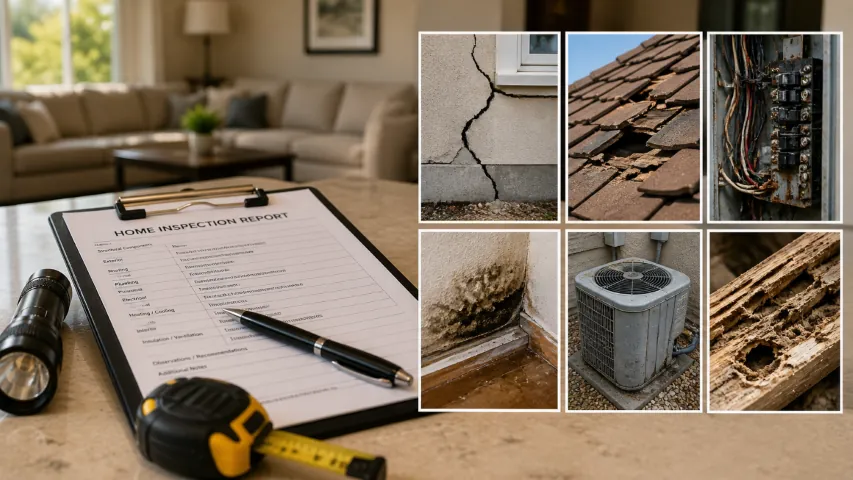
- Immediate safety or active-damage concerns — conditions requiring prompt attention or further investigation
- Major systems and capital items — roof, HVAC, electrical, plumbing, structure, drainage, and other expensive components
- Unknowns requiring specialists — conditions the general inspector could not fully diagnose
- Deferred maintenance — work that may not be urgent but affects future cost and condition
- Routine or cosmetic items — normal ownership work that may have limited transaction significance
Repair estimates should come from appropriately qualified contractors or specialists when cost materially affects the decision. A general inspector’s observations do not always establish the full scope or price of correction.
Retain the Report for Ownership Planning
The inspection report remains useful after the transaction decision is made. Buyers should retain the complete report, photographs, specialist evaluations, estimates, repair agreements, receipts, permits, and warranties. Items that did not justify a contract request may still identify future maintenance, monitoring, or capital needs involving the roof, HVAC, drainage, plumbing, electrical system, pool, or other components.
After closing, those records can become the starting point for a component-based maintenance and reserve plan. The Owning a Home Guide explains how to organize that longer-term work.
Inspection Periods and Contract Deadlines
The purchase contract determines the inspection period, required notices, buyer options, and applicable deadlines. Buyers should not assume that a customary timeframe or another transaction’s process applies to their contract.
Within the permitted period, the buyer may need to:
- Complete the general inspection
- Order specialized inspections
- Review seller disclosures and reports
- Investigate title, HOA, utilities, permits, insurance, or surrounding-area issues
- Obtain estimates or professional opinions
- Deliver any required notice or election on time
Missing a deadline can change the buyer’s rights. Questions about contract interpretation or legal consequences should be directed to the broker and, when appropriate, an attorney.
What Buyers Can Do With the Findings
Depending on the contract and circumstances, a buyer may:
Request Repairs
The buyer may ask the seller to complete specific work. The request should identify the material issue and, where appropriate, the expected professional standard or documentation. Seller-performed repairs can create quality and timing concerns, so the proposed remedy matters as much as the promise to repair.
Request a Credit, Concession, or Price Adjustment
A financial adjustment may allow the buyer to control the work after closing. Lender rules can limit credits and concessions, and a price reduction does not create the same immediate cash as a closing-cost credit.
Accept the Property in Its Current Condition
A buyer may decide that the property remains acceptable after accounting for repairs and maintenance. Acceptance should be informed, not based on the belief that every item is minor simply because the seller will not address it.
Continue Investigation or Decline to Proceed
A specialist may be needed before the buyer can make a responsible decision. In other cases, the cost, uncertainty, safety concern, or inability to obtain insurance or financing may make the property unacceptable. Any cancellation right is contract- and deadline-specific.
A seller is not automatically required to agree to the buyer’s preferred repair or concession. Inspection negotiations involve the property, contract, market, seller priorities, lender limits, and the buyer’s alternatives.
Verify Agreed Work Before Closing
When the seller agrees to complete work, the buyer should review the written agreement and confirm what documentation is expected, such as invoices, receipts, permits, warranties, photographs, or licensed-contractor information. A specialist reinspection may be appropriate when the quality or completion of material work cannot be responsibly evaluated during an ordinary walkthrough.
The final walkthrough can help confirm that the property’s condition and agreed work appear consistent with the contract, but it is not a new general inspection period. Remedies, documentation requirements, access, and deadlines remain contract-specific.
Inspection, Appraisal, Disclosure, and Warranty Are Different
Home Inspection
Addresses visible physical condition within the inspector’s scope.
Appraisal
Provides an opinion of value for the client—commonly the lender—and may identify certain property conditions relevant to the loan. It is not a full home inspection.
Seller Disclosure
Provides information known and disclosed by the seller through applicable documents and representations. It does not replace the buyer’s independent investigation.
Home Warranty
A service contract may cover specified failures under its terms, limits, exclusions, fees, and claim procedures. It does not establish current condition and should not replace inspection or reserves.
Frequently Asked Questions
Are home inspections legally required in Arizona?
A general home inspection is not legally required for every Arizona purchase, but professional inspection and property-specific due diligence are strongly advisable. The buyer’s contractual rights and deadlines depend on the purchase agreement.
How do I verify an Arizona home inspector?
Use the Arizona Board of Technical Registration’s public resources to confirm certification status and review applicable standards. Buyers should also evaluate experience, sample reports, scope, communication, and fit for the property.
Should I attend the inspection?
Attendance is often useful because the buyer can see systems and hear maintenance explanations directly. Confirm the inspector’s preferred attendance process and avoid interfering with the inspection.
Does a new-construction home need an inspection?
New does not mean defect-free. Buyers may consider phase, pre-closing, or warranty-period inspections depending on construction status, contract rights, builder procedures, and access. The appropriate scope should be discussed with qualified inspectors and the buyer’s broker.
What if the inspector recommends a specialist?
The recommendation usually means the condition exceeds the general inspector’s scope or requires diagnosis by another professional. The buyer should consider the significance, remaining contract time, and whether the specialist’s findings could affect cost, safety, financing, insurance, or the decision to proceed.
Is the seller required to fix everything in the report?
No. The seller’s obligations and the buyer’s options depend on the contract and any negotiated agreement. Many report items are ordinary maintenance; others may be material. The parties can negotiate, but neither side should assume every request must be accepted.
Continue Learning
Previous: Mortgage Preapproval
Next: Owning a Home
Related service: Greater Phoenix Area Home Buyer Representation
Back to: Consumer Real Estate Education